
When you are touring properties near the edge of the Santa Maria Valley, what should you verify beyond the listing photos before removing your contingencies? Because Guadalupe sits along the Santa Maria River plain just miles from the Pacific Ocean, local due diligence looks different here than it does further inland.

Buying a house in Guadalupe, CA requires checking federal flood zone classifications, reviewing California's mandatory Natural Hazard Disclosure (NHD) statement, and inspecting for coastal moisture and soil conditions before closing. Taking these steps during your inspection window protects your monthly budget from unexpected insurance premiums or deferred maintenance.

How Do FEMA Flood Maps Affect Buying a House in Guadalupe, CA?
Guadalupe's flat valley floor and proximity to the Santa Maria River mean flood zone designations can vary from one block to the next. Before submitting an offer, you should look up the property address on the FEMA Flood Map Service Center to see whether the parcel falls inside a mapped floodplain.
If a home sits inside a Special Flood Hazard Area, such as Zone A or Zone AE, any federally backed mortgage lender will require you to carry flood insurance. Properties in moderate- or low-risk Zone X designations generally do not trigger mandatory lender coverage, though optional policies are still available through the National Flood Insurance Program.
When evaluating a home in a higher-risk zone, ask the seller if an existing Elevation Certificate is on file. That document compares the lowest floor of the structure to the base flood elevation and can significantly affect your annual insurance quote.

What Does California's Natural Hazard Disclosure (NHD) Report Cover?
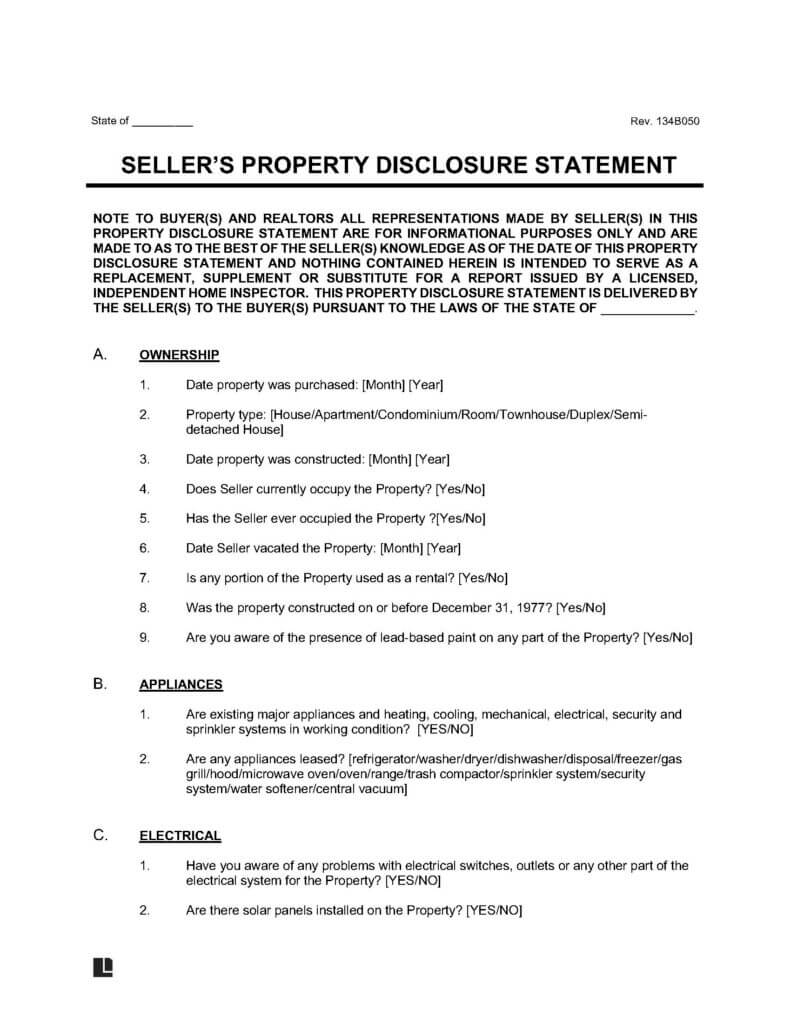
Under California Civil Code Section 1103, sellers must provide a Natural Hazard Disclosure statement showing whether a property lies within six state-mapped hazard zones. These include special flood hazard areas, areas of potential flooding from dam failure, very high fire hazard severity zones, wildland fire risk areas, earthquake fault zones, and seismic hazard zones.
You should review the NHD report alongside the seller's Transfer Disclosure Statement as soon as escrow opens. Keep in mind that an NHD report only indicates whether a parcel falls inside a mapped boundary; it does not serve as a home insurance underwriting quote or guarantee coverage availability.
Beyond statutory hazard maps, it is also smart to review parcel tax bills and local assessment districts. Newer developments in Guadalupe may carry community facilities district fees, while older downtown parcels often have standard municipal tax structures.
Which Property Inspections Matter Most Near the Guadalupe Coast?
Guadalupe's housing stock ranges from mid-century homes near Highway 1 to newer subdivisions like Pasadera, and each comes with specific inspection priorities. Coastal fog, afternoon winds, and valley soil conditions make exterior and structural checks especially important.
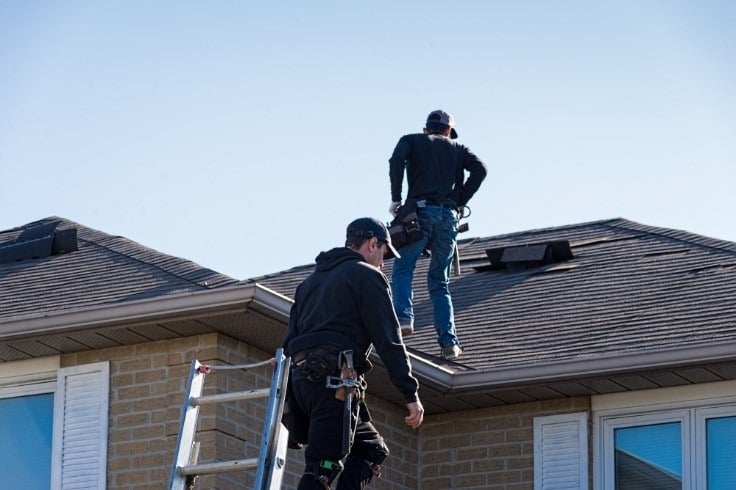
During your physical inspection period, pay close attention to these four areas:
- Roofing, flashing, and exterior trim: Persistent marine moisture and coastal winds can accelerate wear on composition shingles, window seals, and wood siding.
- Lot drainage and grading: Confirm that soil slopes away from the foundation and that gutters direct winter rainwater clear of the perimeter.
- Foundation and slab condition: Alluvial valley soils can shift over time, so a general inspector should check for uneven floors, drywall stress cracks, or slab settling.
- Plumbing and sewer lines: On older properties, scheduling a camera scope of the main sewer lateral helps uncover root intrusion or aging clay piping before you own the home.
You can also verify past additions or garage conversions by checking permit records through the City of Guadalupe Building Department and property parcel details via the Santa Barbara County Assessor. Confirming that previous work was permitted prevents appraisal delays and future code issues.
Making Confident Offers in Guadalupe
Understanding flood maps, statutory disclosures, and coastal wear allows you to price repairs and insurance into your decision early. When you know what to look for during escrow, you can move forward with clear expectations and stronger negotiating footing.
Ready to Start Your Guadalupe Home Search?
If you are considering buying a house in Guadalupe, CA, working with a local team that understands Central Coast disclosures and escrow timelines makes all the difference. Explore current market resources and available homes on the Francia Real Estate Guadalupe community page, and reach out to Jason Francia - The Francia Team to plan your next steps with confidence.
Check out this article next