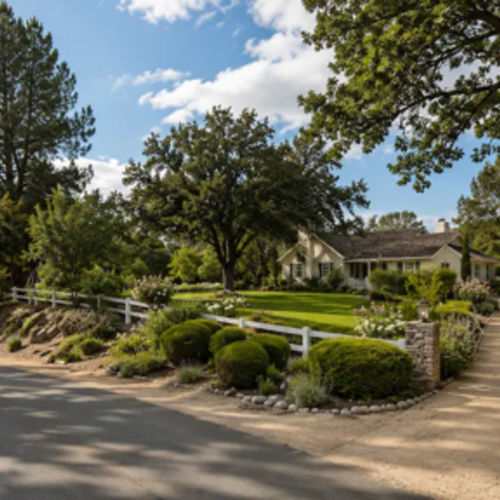

Buying a vacation home in Pismo Beach isn't just about finding the perfect ocean view. You also need to navigate coastal regulations, understand rental potential, and protect your investment against unique environmental risks.
Here is your complete step-by-step guide to purchasing a second home in one of California's most desirable coastal towns.
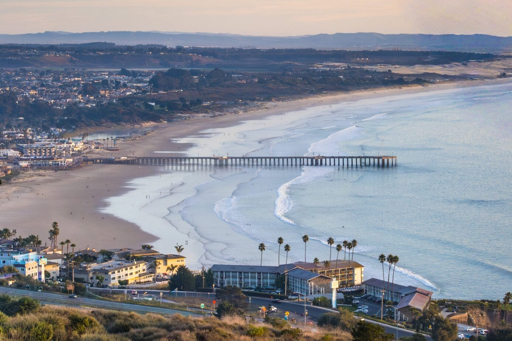
1. Define Your Goals and Budget
Before you start looking at listings, clarify what you want from your Pismo Beach property. Your goals will shape every decision that follows.
Ask yourself these questions:
- Will this be primarily for personal use, rental income, or both?
- Do you prefer a low-maintenance condo or a single-family home?
- Are you comfortable with HOA fees and potential assessments?
- How much coastal risk like bluff, flood, or erosion are you willing to accept?
- What is your total budget, including purchase price, insurance, and ongoing costs?
The median home price in Pismo Beach sits around $1.3 million to $1.4 million, with properties typically spending 50 to 60 days on the market. Keep in mind that coastal properties often carry higher insurance and maintenance costs than inland homes.
2. Get Pre-Approved for a Second-Home Mortgage
Second-home loans have different requirements than primary residences. Lenders want to see that you can afford two housing payments.
Key considerations include:
- Lenders require you to occupy the property for part of the year
- The home must be a one-unit dwelling suitable for year-round living
- You will need strong credit and a larger down payment, often 10 to 20 percent minimum
- Interest rates may be slightly higher than primary residence loans
- Get Loan Estimates from at least three lenders to compare terms
Tell your lender upfront that this is a vacation or second home. Misclassification can cause problems later in the process.
3. Understand Pismo Beach's Unique Zoning and Rental Rules
Pismo Beach has specific regulations that vary by neighborhood and zone. These rules directly impact what you can do with your property.
Critical zoning questions to ask:
- Is the property in the Coastal Zone, Coastal Appeal Zone, or outside both?
- Which zoning code applies, 1983 or 1998?
- What short-term rental category does it fall under?
- Does the rental permit transfer on sale, or do you need to apply anew?
According to the City of Pismo Beach, all owners of vacation rentals and short-term rental units must obtain a business license and Transient Occupancy Tax Certificate from the Finance Department. A separate vacation-rental category exists in downtown core zones without owner-occupancy requirements, while other areas may have stricter rules or prohibit short-term rentals entirely.
The city also requires a responsible party available 24 hours a day, seven days a week for vacation rentals. Always confirm current rules with the Pismo Beach Municipal Code before making an offer.
4. Work With a Local Real Estate Agent Who Knows the Coast
Pismo Beach isn't a typical suburban market. Coastal properties come with unique considerations that require local expertise.
Look for an agent with:
- Experience with coastal properties and second-home buyers
- Knowledge of neighborhood-specific risks like bluffs, flood zones, and salt air
- Familiarity with HOA documents, condo projects, and rental regulations
- Ability to coordinate specialized inspections including geologic reports and erosion assessments
A local expert can help you navigate everything from tsunami hazard maps to Coastal Development Permit records.
5. Research Neighborhoods and Property Types
Pismo Beach offers distinct areas, each with different characteristics and considerations. Understanding these differences helps you narrow your search.
Bluff and Oceanfront: Direct ocean views come with premium pricing. You will need geologic reports, shoreline armoring history, erosion risk assessment, and Coastal Commission permits.
Downtown Core: Walkable and condo-heavy with rental-friendly zoning. Review HOA documents, vacation-rental zoning, and project rules carefully.
The Heights: Hillside homes with views in a quieter setting. Check slope stability, drainage, and view protection easements.
Inland and Hillside: More affordable with a residential feel. Watch for view easements, slope issues, and plan for standard inspections.
The Preserve: Newer development with trails and family-friendly amenities. Expect HOA fees and community rules.
Visit Pismo Beach on a weekday in the off-season during fall to experience the area without tourist crowds.
6. Conduct Specialized Due Diligence
Coastal properties require extra investigation beyond standard home inspections. Do not skip these critical checks.
Environmental and geologic:
- Geologic and erosion reports for bluff or hillside properties
- History of seawalls, bluff stabilization, or shoreline armoring
- Tsunami hazard map location
- Flood zone status from FEMA maps
- Drainage patterns and site stability
Coastal Commission considerations:
- Coastal Zone or Coastal Appeal Zone status
- Any existing Coastal Development Permits
- Restrictions on modifications or additions
- Public access easements if applicable
Property-specific:
- Salt air damage to windows, metal fixtures, and exterior wood
- Moisture intrusion and mold potential
- Roof condition since coastal weather is harsh
- Foundation and structural integrity on slopes
HOA and condo review if applicable:
- Governing documents and rental restrictions
- Financial health and reserve funds
- Pending assessments or violations
- Board minutes and inspection reports for elevated elements
7. Get Multiple Insurance Quotes Early
Coastal California homes face unique insurance challenges. Start this process early to avoid surprises at closing.
What to expect:
- Higher premiums due to wildfire, flood, and earthquake risk
- Possible requirement for separate flood insurance
- Some carriers may not write policies in certain coastal zones
- Older homes may need updates to qualify for coverage
Contact at least three insurance providers and ask about the California FAIR Plan as a backup option. Confirm coverage for vacation or second-home status and understand deductibles for earthquake and flood.
8. Make a Strategic Offer
Pismo Beach's market is somewhat competitive, with homes selling in about 50 to 60 days on average. A well-prepared offer stands out.
Offer strategy tips:
- Review recent comparable sales in the exact neighborhood
- Factor in any needed repairs or coastal mitigation work
- Consider requesting price concessions or closing-cost assistance
- Include appropriate contingencies for inspection, financing, and appraisal
- Be prepared for potential counteroffers in desirable areas
Early fall often brings less competition as the tourist season winds down.
9. Complete Inspections and Final Reviews
Once your offer is accepted, move quickly on specialized inspections. Time is critical in this phase.
Inspection checklist:
- General home inspection by a licensed professional
- Pest and termite inspection
- Roof inspection
- Geologic report if bluff or hillside
- Flood zone verification
- Sewer or septic inspection if applicable
- Pool or spa inspection if present
Document review:
- Title report and preliminary title insurance
- Natural hazard disclosure statement
- HOA documents if applicable
- Rental permit history and transferability
- City records for any violations or pending work
10. Close and Plan for Ownership
Before closing, finalize your ownership and management strategy. This planning pays off once you take possession.
Pre-closing tasks:
- Final walk-through to verify condition
- Confirm insurance is bound and effective on closing date
- Review Closing Disclosure and compare to Loan Estimate
- Arrange for utilities transfer
- Set up property management if renting
Post-closing priorities:
- Change locks and security codes
- Schedule regular maintenance for yard, pool, and HVAC
- Establish a local contact for emergencies
- Register with the city if operating a vacation rental
- Create a maintenance budget since coastal homes need more upkeep
Common Pitfalls to Avoid
Do not skip these critical steps:
- Assuming all properties can be vacation rentals without verifying zoning first
- Ignoring coastal risk factors like bluff erosion, flood zones, and tsunamis
- Underestimating insurance costs and availability
- Skipping specialized inspections to save money
- Not reviewing HOA documents thoroughly for rental restrictions
- Forgetting about salt air damage and increased maintenance needs
- Misclassifying the property with your lender as a second home versus investment
The Bottom Line
Pismo Beach offers an exceptional opportunity for a coastal vacation home, but success requires careful planning and local expertise. Your winning formula includes clear goals and a realistic budget, a local agent with coastal experience, thorough due diligence on zoning and risk, specialized inspections and insurance planning, and a long-term maintenance and management strategy.
Take your time, ask the right questions, and you will be enjoying sunsets over the Pacific in your own Pismo Beach retreat. For guidance on buying vacation homes along the Central Coast, Jason Francia - The Francia Team can help you navigate the process from search to close.
Ready to Explore Pismo Beach Properties
If you are considering a vacation home purchase in Pismo Beach or anywhere along the Central Coast, start by connecting with a local real estate professional who understands second-home purchases and coastal regulations. You can reach out to The Francia Team to discuss your goals and explore available properties that match your needs.
Check out this article next