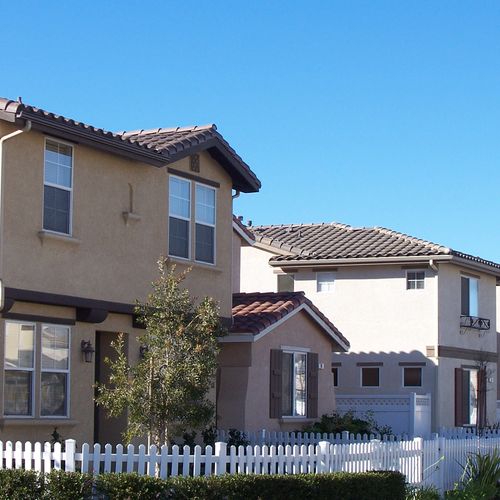

Selling a home on Santa Barbara's South Coast involves more than putting up a sign and waiting for offers. A good listing agent handles pricing, preparation, marketing, negotiation, disclosures, and everything in between.
In short: a Santa Barbara seller's agent prices your home using local sales data, prepares and markets the property, screens and negotiates offers, manages the required disclosures, and guides you through escrow to closing.

Pricing Your Home With Local Market Data
Pricing is where a listing agent's work begins, and it sets the tone for everything that follows. An agent builds a comparative market analysis, a report that estimates your home's value by comparing it to similar properties that have recently sold or are currently listed nearby, as this breakdown of comparative market analysis explains.
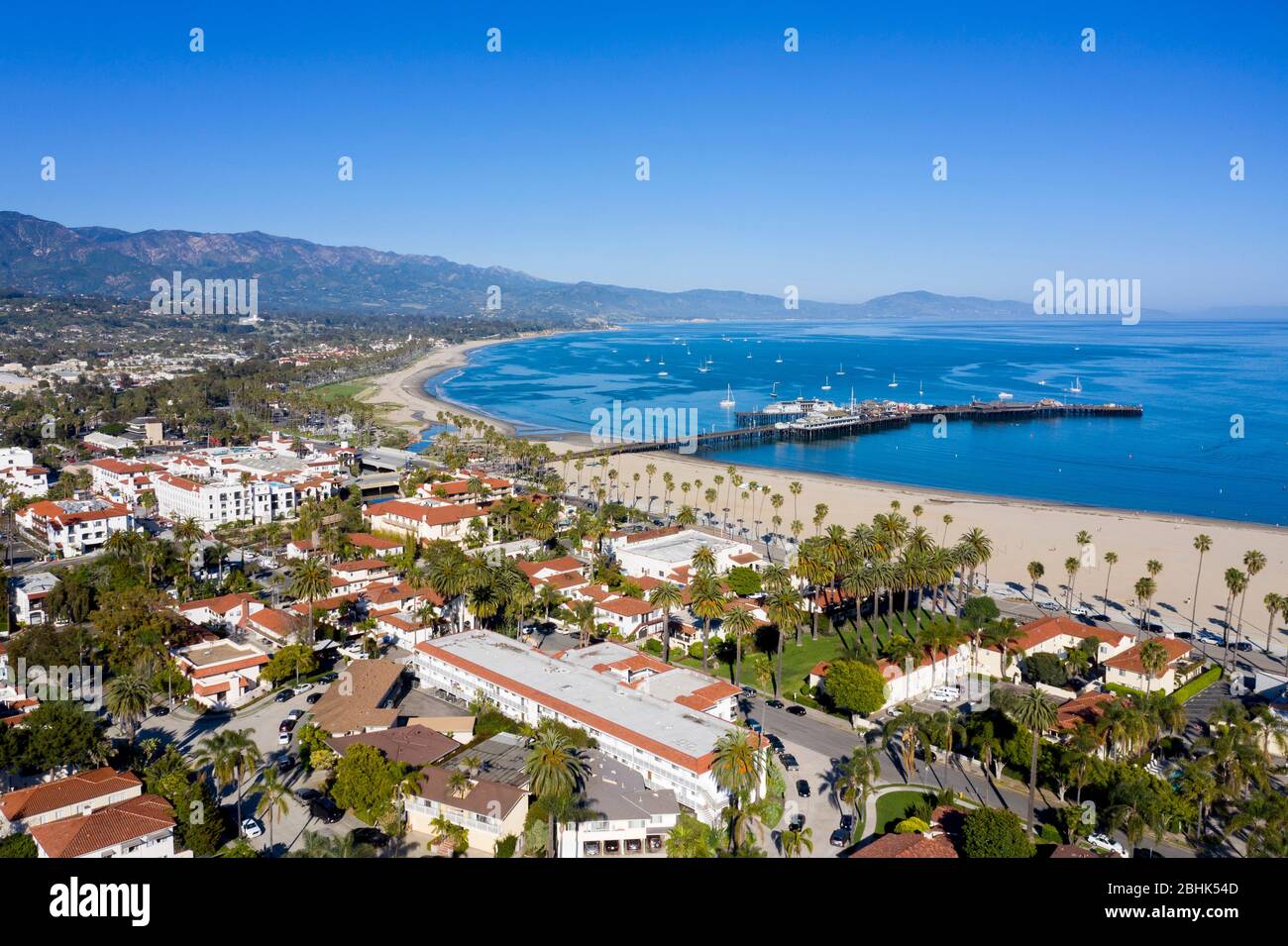
On the South Coast, that comparison has to be hyperlocal. Santa Barbara, Montecito, Hope Ranch, Goleta, and Carpinteria each move at their own pace, and a recent South Santa Barbara County market update noted that inventory and days on market have been shifting by neighborhood, which is exactly why a citywide or countywide average rarely tells the full story for your specific property.
Price it too high and the home sits, inviting price-reduction speculation from buyers. Price it too low and you leave money on the table. A skilled agent threads that needle using recent, neighborhood-specific comps rather than guesswork.
Preparing and Staging the Property
Before your home goes live, your agent will typically walk through it with you and flag anything worth addressing first. That might mean minor repairs that could come up in a buyer's inspection, decluttering, or improving curb appeal.
Many agents also coordinate professional staging or offer guidance on presentation, since a well-prepared home tends to show better in photos and in person. This is also the stage where your agent will talk with you about disclosure obligations, since certain conditions need to be documented regardless of whether you plan to fix them.

Marketing the Listing
Once the home is ready, your agent builds a marketing plan built around visibility. That typically includes:
- Professional photography and a written listing description
- Placement on the Multiple Listing Service, which distributes your listing to other agents and buyer-facing search sites
- Promotion through the agent's own network, social channels, and brokerage marketing
- Open houses or private showings, depending on what fits the property and the season

Screening Buyers and Negotiating Offers
When offers start coming in, your agent's job shifts to vetting and negotiating. That includes confirming a buyer's pre-approval or proof of funds before scheduling showings, and helping you evaluate competing offers on more than just price, since financing terms, contingencies, and closing timelines all affect how reliable an offer actually is.
According to the National Association of Realtors, working with a REALTOR gives sellers an expert guide through the forms, reports, and negotiation that a typical transaction requires, along with an objective read on your home's marketability that can be hard to get on your own.
Managing Disclosures and Paperwork
California places real legal weight on seller disclosures. Sellers have an affirmative duty to disclose known material facts about the property, and the California Department of Real Estate's disclosure guidance walks through what that obligation typically covers, from the Transfer Disclosure Statement to natural hazard reports.
Your agent won't complete these forms for you since the underlying knowledge has to come from you as the owner, but they should walk you through which forms apply to your sale, what needs to be included, and where sellers commonly run into trouble.
Coordinating Escrow and Closing Costs
Once you're in contract, your agent typically coordinates with the escrow company, the buyer's agent, and often a lender to keep the transaction moving toward closing. That includes tracking contingency deadlines, inspection requests, and any repair negotiations that come up along the way.
Sellers should also budget for closing costs, which in California commonly include the agent commission, escrow fees, and title insurance, along with the documentary transfer tax. A recent breakdown of California closing costs is a useful starting point for understanding who typically pays for what, though your agent should walk you through the specific numbers for your sale.
Local Market Expertise That's Hard to Replace
What separates a strong Santa Barbara agent from a generalist is neighborhood-level knowledge. Coastal versus inland pockets, HOA rules in certain developments, view corridors, and even how a specific street tends to perform can all affect pricing and marketing strategy in ways that generic market data won't capture.
That local insight also matters when setting expectations. A South Coast market can shift meaningfully from one quarter to the next, and an agent who tracks those changes closely is better positioned to advise you on timing, pricing adjustments, and how to position your home against current competition.
The Bottom Line
Selling a home in Santa Barbara touches pricing strategy, marketing, negotiation, legal disclosures, and a fairly detailed closing process. A good listing agent manages all of it so you're not learning California real estate law and hyperlocal market trends at the same time you're trying to sell your house.
Jason Francia - The Francia Team has been guiding Central Coast sellers through this process since 2001, and that same approach applies to sellers across Santa Barbara's South Coast.
Ready to List Your Santa Barbara Home?
If you're thinking about selling and want a clear read on what your home could bring in today's market, a conversation with a local agent is the best place to start. Visit The Francia Team's website to request a home valuation or get in touch directly to talk through your timeline and goals.
Check out this article next