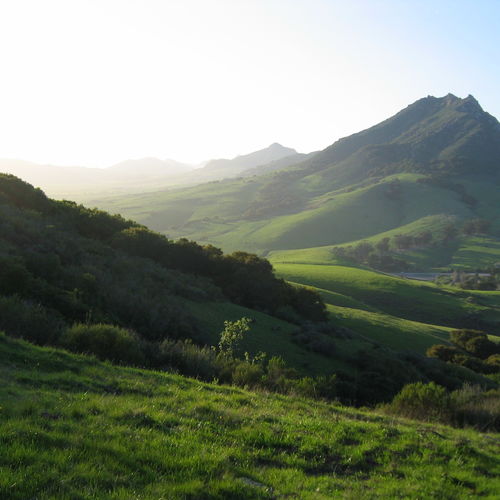

Are you thinking about trading a standard city lot for open acreage in the Lompoc Valley? Buying rural property in Lompoc, CA offers extra space and privacy, but properties outside city limits come with private utilities and county rules that require a different kind of due diligence.
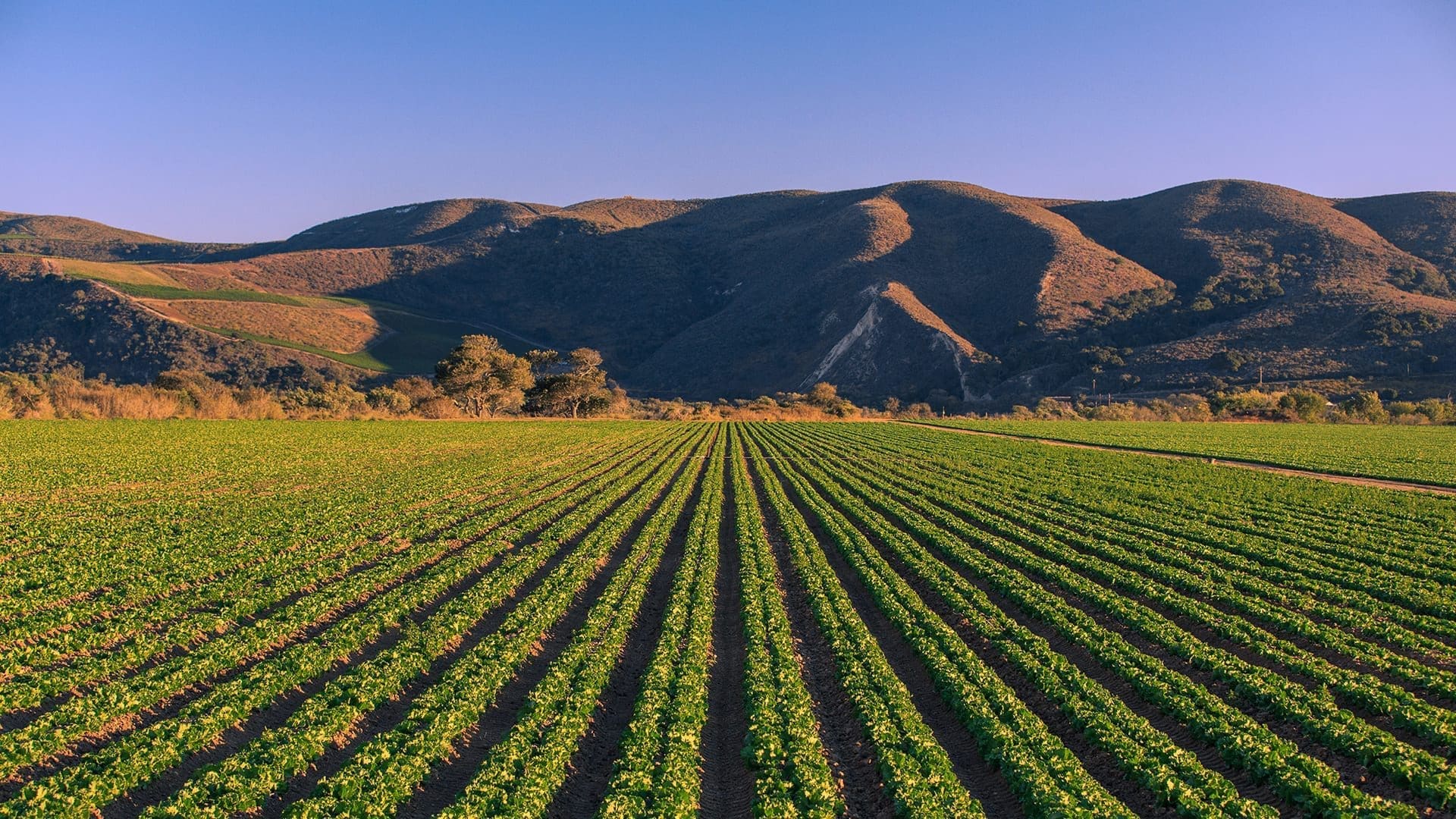
Before buying rural property in Lompoc, CA, verify private well water quality and flow rates, order a full septic tank pump-and-inspect, confirm Santa Barbara County zoning and permit records, and review private road or utility easements. Taking care of these checks during your contingency period protects your budget and prevents surprises after closing.
How Do You Verify Private Well Water Quality and Flow Rates?
Unlike homes connected to City of Lompoc utilities, most rural properties rely on private or shared groundwater wells. A standard general home inspection does not evaluate well capacity, pump equipment, or water potability, so you will want to hire a qualified water well specialist during your inspection window.
When evaluating a property's water supply, focus on three core items:
- Water quality testing: Submit water samples to a laboratory certified under the California Environmental Laboratory Accreditation Program to check for bacteria, nitrates, arsenic, and mineral levels. Testing for nitrates is especially important in the Lompoc Valley due to surrounding agricultural activity.
- Flow and recovery testing: Have a specialist measure sustained gallons per minute (GPM) and well recovery rates. This confirms the well can support daily household needs alongside any landscaping, gardens, or livestock you plan to keep.
- Well records and shared agreements: Review historical construction details through the California Open Data well completion reports index to check well depth and age. If the well serves more than one parcel, obtain the recorded shared-well agreement to verify cost-sharing and maintenance terms.

What Septic System Inspections and Permits Should You Review?
Rural homes outside public sewer lines depend on an onsite wastewater treatment system, commonly called a septic system. Replacing a failed tank or leach field can be one of the largest unexpected expenses a rural buyer faces, making a dedicated septic evaluation essential.
Schedule a licensed septic contractor to pump the tank and inspect the baffles, inlet and outlet lines, and absorption field. A basic visual walk-through will not reveal structural cracks or early signs of drain field saturation.
You should also confirm that the installed system matches official records through Santa Barbara County Environmental Health Services. Older rural properties sometimes have unpermitted room additions or guest quarters that exceed the original permitted bedroom capacity of the septic tank and leach field.

How Do Santa Barbara County Zoning, Easements, and Financing Affect Rural Purchases?
Properties in unincorporated Lompoc fall under county land-use rules rather than city municipal codes. Before committing to a purchase, check the parcel's designation using the Santa Barbara County Planning and Development zoning tool to verify whether the land is zoned for residential, agricultural, or rural ranchette use.
Zoning rules dictate what you can build or keep on the land, including accessory dwelling units (ADUs), barns, agricultural animals, and home-based operations. You should also review your preliminary title report for access easements, utility corridors, and private road obligations. Under California Civil Code Section 845, owners who share a private right-of-way easement are responsible for maintaining it in repair, either through a recorded agreement or proportionately to their use.
Finally, make sure your lender specializes in rural residential financing before submitting an offer. Conventional, VA, FHA, and USDA loans each have specific guidelines regarding acreage limits, agricultural income, minimum well flow rates, and distance between wells and septic systems.
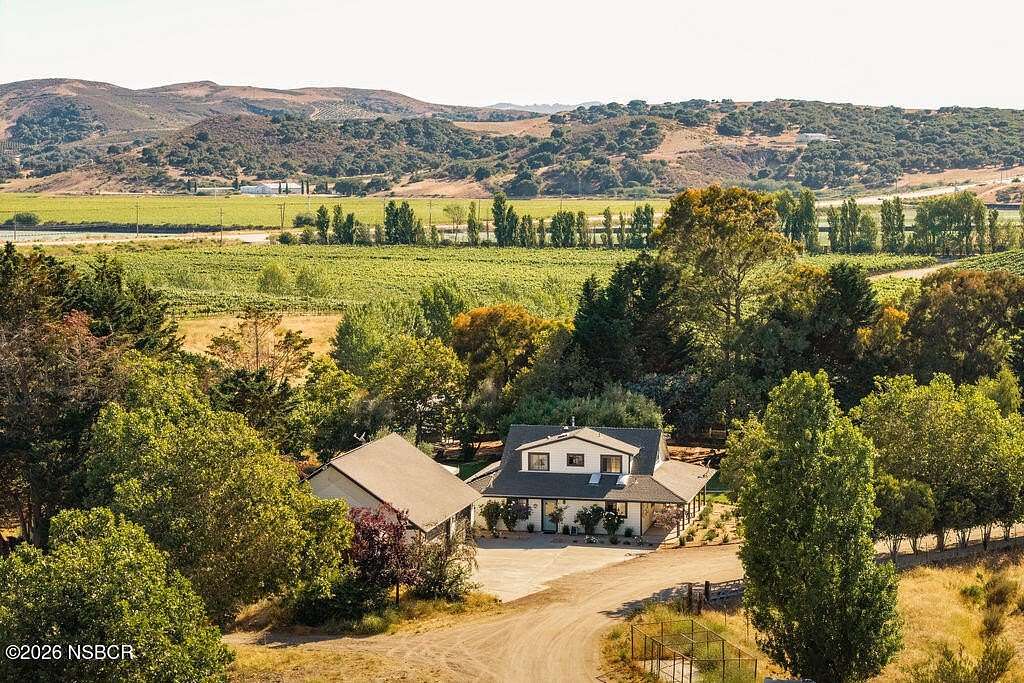
Putting Your Lompoc Rural Due Diligence Together
A smooth rural purchase comes down to asking the right questions early and lining up specialized inspections as soon as your offer is accepted. If you are comparing acreage with in-town options, exploring the Lompoc community guide is a helpful way to weigh local property styles and locations.

Ready to Explore Rural Properties in Lompoc?
Whether you are relocating from out of the area or moving up to more acreage locally, having a clear due diligence checklist makes buying rural property in Lompoc, CA far more predictable. Reach out to Jason Francia - The Francia Team to discuss your property goals, review local listings, and connect with experienced rural inspectors on the Central Coast.
Check out this article next